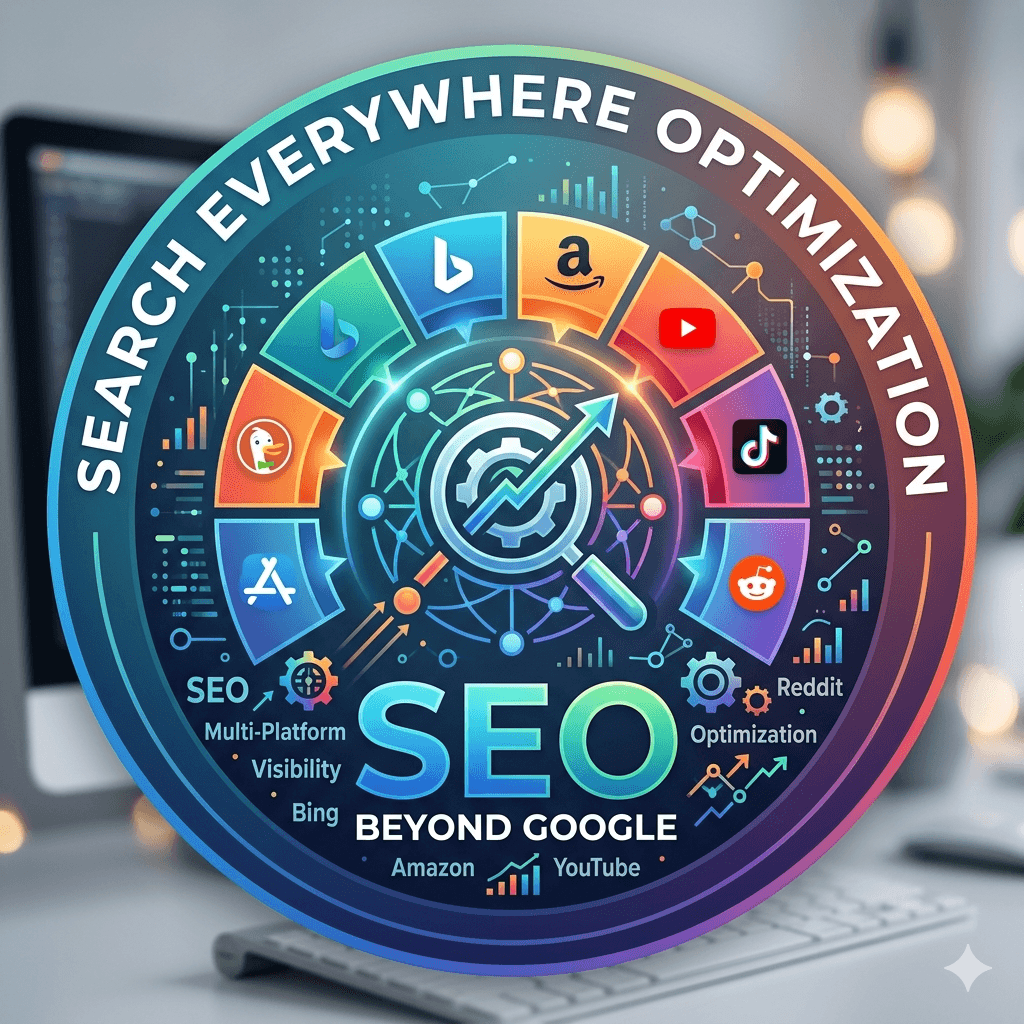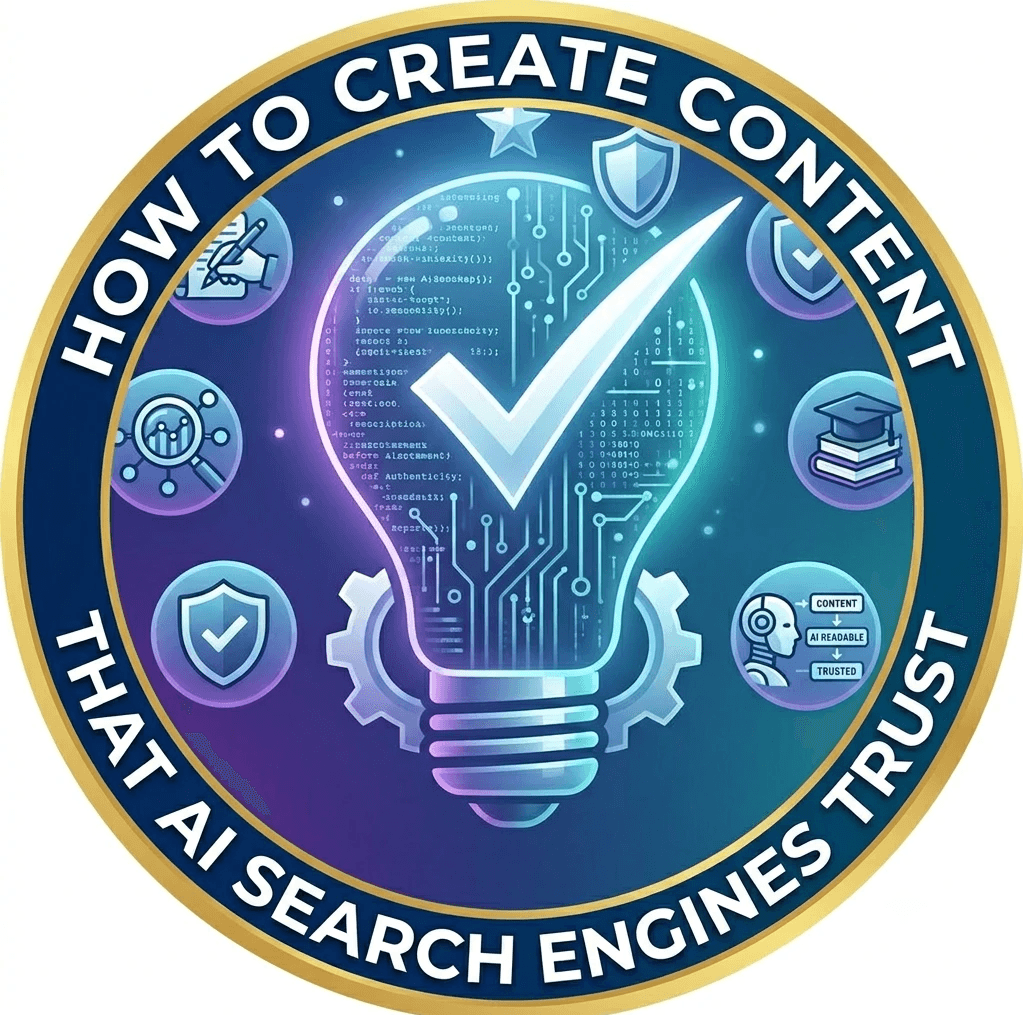
Search engines are evolving rapidly. Traditional SEO focused on keywords, backlinks, and rankings, but AI-powered search engines now prioritize trust, expertise, accuracy, and user value. Platforms powered by artificial intelligence analyze content differently, aiming to provide users with the most reliable and helpful answers instead of simply matching keywords.
If you want your website content to perform well in AI search results, you need a strategy that goes beyond conventional SEO.
Focus on Expertise and Authority
AI search engines favor content that demonstrates real knowledge and experience. Instead of creating generic articles, focus on sharing insights, case studies, industry expertise, and practical solutions.
For example, if you provide explainer video animation services, don't just write about "what is an explainer video." Share actual examples of how animated videos helped SaaS companies increase conversions, simplify complex concepts, or improve customer onboarding.
When your content reflects real-world expertise, AI systems are more likely to view it as trustworthy.
Create Helpful and User-Centric Content
AI search engines are designed to understand user intent. They evaluate whether your content genuinely answers a user's question.
Before creating content, ask yourself:
What problem is the reader trying to solve?
What information are they looking for?
How can I provide a complete answer?
Instead of writing for algorithms, write for people. Detailed guides, step-by-step tutorials, FAQs, and practical examples often perform better because they provide genuine value.
Use Clear Structure and Organization
AI systems prefer content that is easy to understand and navigate.
Use:
Clear headings and subheadings
Short paragraphs
Bullet points
Tables when relevant
FAQ sections
A well-structured article helps both users and AI engines quickly identify important information. This increases the chances of your content being referenced in AI-generated search responses.
Add Visual Content to Improve Understanding
Content is no longer limited to text. AI search engines increasingly recognize the value of visual assets such as images, infographics, and videos.
This is where explainer video animation becomes especially powerful.
Complex products, services, and processes can often be difficult to explain through text alone. A professionally created explainer video simplifies information, improves engagement, and helps visitors understand your message faster.
For SaaS companies, technology brands, healthcare providers, and educational organizations, animated explainer videos can significantly improve user experience while strengthening content credibility.
When AI search engines detect strong engagement signals and valuable multimedia content, they often view the page as more useful to users.
Keep Information Accurate and Updated
Outdated information can reduce trust. AI systems continuously evaluate content freshness and relevance.
Regularly update:
Statistics
Industry trends
Product information
Service descriptions
Case studies
Accurate and current information demonstrates reliability, which is a major factor in AI-driven search visibility.
Build Trust Through Transparency
Include author information, company details, customer testimonials, and real examples whenever possible. Trust signals help both users and AI systems verify that your content comes from a credible source.
For businesses offering explainer video animation services, showcasing previous projects, client success stories, and industry experience can strengthen authority and improve overall content trustworthiness.
Final Thoughts
As AI search technology continues to evolve, content quality will become even more important than traditional ranking tactics. Businesses that focus on expertise, helpful information, transparency, and engaging multimedia content will have a significant advantage.
By combining well-researched written content with professional explainer video animation, brands can create a stronger user experience, build credibility, and increase their visibility in AI-powered search results. The future of SEO is not just about being found—it's about being trusted.
Similar Blogs